when the classroom fails everyone pays
✨ DESIGNED FOR DIFFERENCE, BUILT FOR BELONGING
✨ DESIGNED FOR DIFFERENCE, BUILT FOR BELONGING
THE VISION
The vision of the Adaptive Classroom is a movement to transform education through a truly holistic approach one that brings restorative training and trauma-informed design together as equal, inseparable parts of how classrooms should be shaped. We imagine a future where every learning environment is built around the child, where the culture supports safety and connection, and the design supports regulation and wellbeing. This movement exists because design alone is not enough, and training alone is not enough only when both work together can we create classrooms where children genuinely thrive. Our goal is simple: to set a new standard of education grounded in humanity, belonging and the environments children deserve.
-
Across the UK, more children are being removed from classrooms because the environments they’re expected to learn in do not support their sensory, emotional or cognitive needs. Awareness of neurodiversity and SEND is growing, yet the support available is rarely integrated into mainstream settings leaving many pupils to fall through the gaps.
Teachers are burned out, stretched thin between curriculum demands and the unmet needs of their pupils. Parents are worried, frustrated, and often unsure where to turn for real solutions.
And for the children who struggle to regulate in these environments, being repeatedly removed from the classroom can leave them feeling like they are the problem.
We don’t have a “child problem.”
We have a classroom environment that hasn’t evolved to meet the diversity of children in our schools today. -
The Adaptive Classroom offers a new way forward one that redesigns both the environment and the culture so children no longer have to leave the room to cope. By bringing trauma-informed design and restorative training together, the model creates classrooms that support emotional regulation, belonging and consistent connection.
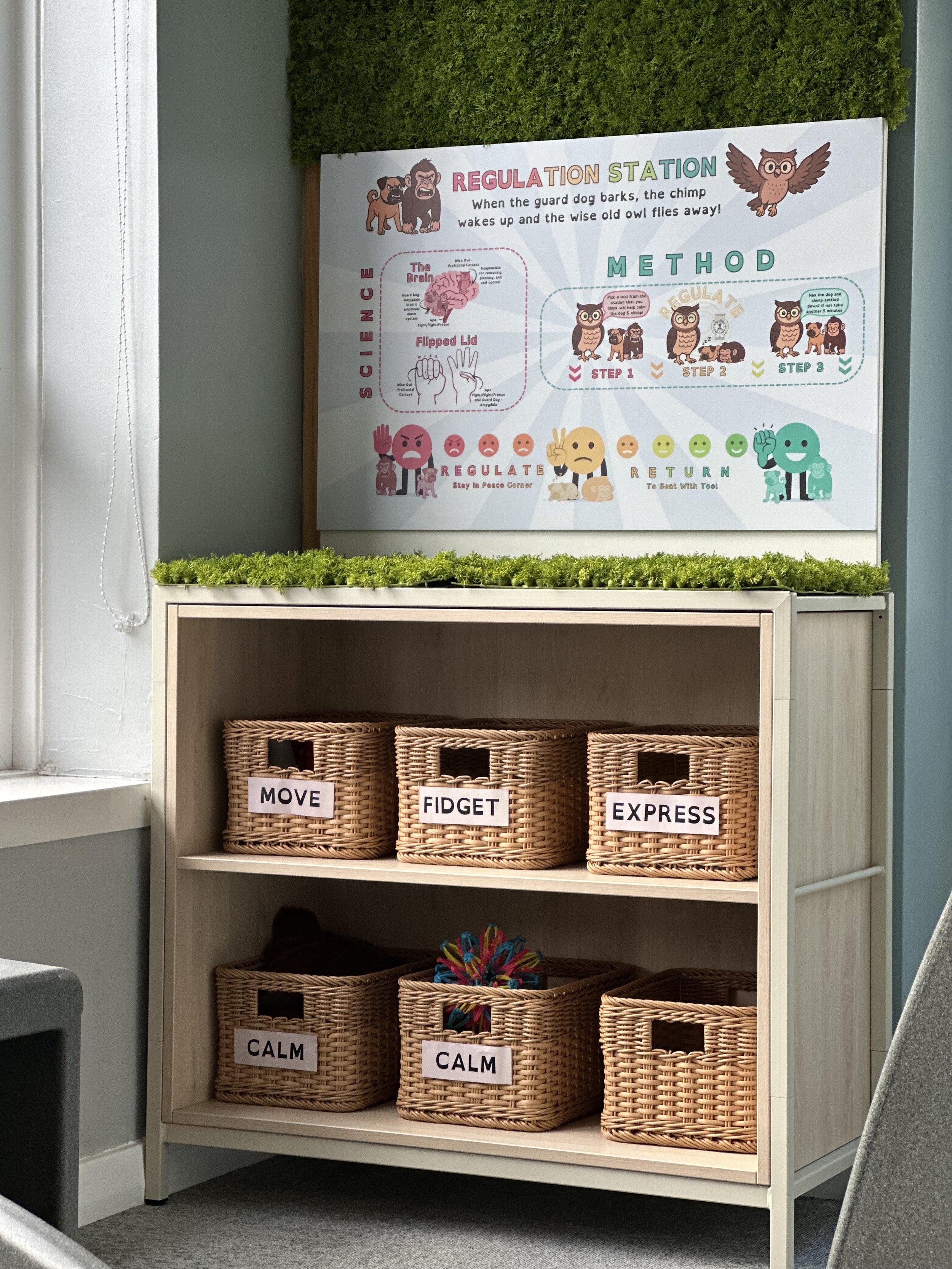
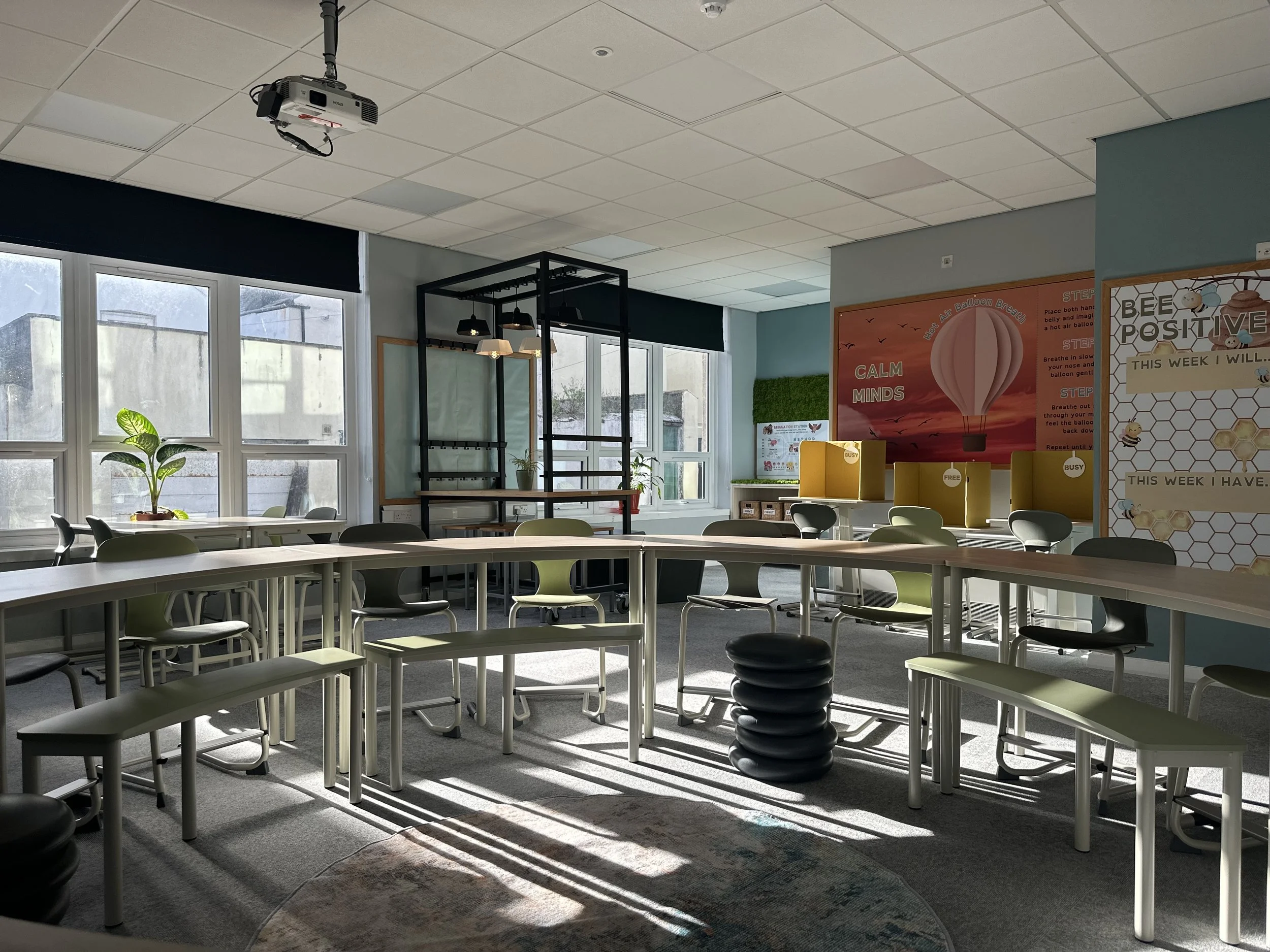
Instead of relying on withdrawal spaces or reactive behaviour systems, this approach builds the conditions children need within the classroom itself: adaptive furniture, sensory-aware layouts, tools for regulation, and a relational culture grounded in safety, trust and clear restorative language.
It ensures that neurodivergent pupils, children with SEND and those with heightened emotional needs are included in mainstream learning in a meaningful way while also reducing stress for teachers and strengthening communication with families.
The solution isn’t removing children from classrooms.
It’s redesigning classrooms so children can stay, learn and thrive.
-
Restorative practice is a relational approach to building safe, connected school communities. Led by Michelle Morgan and supported by Catherine Barber-Brown, it focuses on strengthening relationships, supporting emotional regulation and resolving conflict through conversation rather than punishment. Rooted in neuroscience and trauma-informed thinking, restorative practice gives children the tools to express their feelings, repair harm and understand the impact of their actions. It builds a culture where every voice matters pupils, staff and families and where behaviour is understood through connection, not control. Michelle’s training equips schools with the skills, language and processes needed to create compassionate, emotionally safe learning environments.
-
The Adaptive Classroom has been designed using the theory and six principles of trauma-informed design, creating an environment that supports safety, regulation and belonging. Led by Chloe Roberts through Metamorphia, this pilot takes a research-driven approach: the space is not only designed for children, but continually reviewed, tested and assessed by them. Through weekly design modules, pupils reflect on their experience of the space, learn the theory behind it, give structured feedback and propose their own design interventions. This process turns the classroom into a living research environment evolving through evidence, co-creation and the real needs of the students.
-
A core pillar of the Adaptive Classroom is its innovative, ergonomic furniture supplied by Werk Solutions, led by furniture specialist Paul Murphy. This furniture is designed to be flexible, movement-friendly and commercial-grade, creating a classroom that adapts to the needs of every child. Each piece supports regulation, comfort and focus, allowing pupils to choose how they sit, move and learn. The Adaptive Classroom also includes bespoke elements, with several pieces being developed and refined in collaboration with the children themselves through weekly design modules. This approach ensures the furniture and the entire environment evolves alongside the learners who use it.
What makes the classroom adaptive?
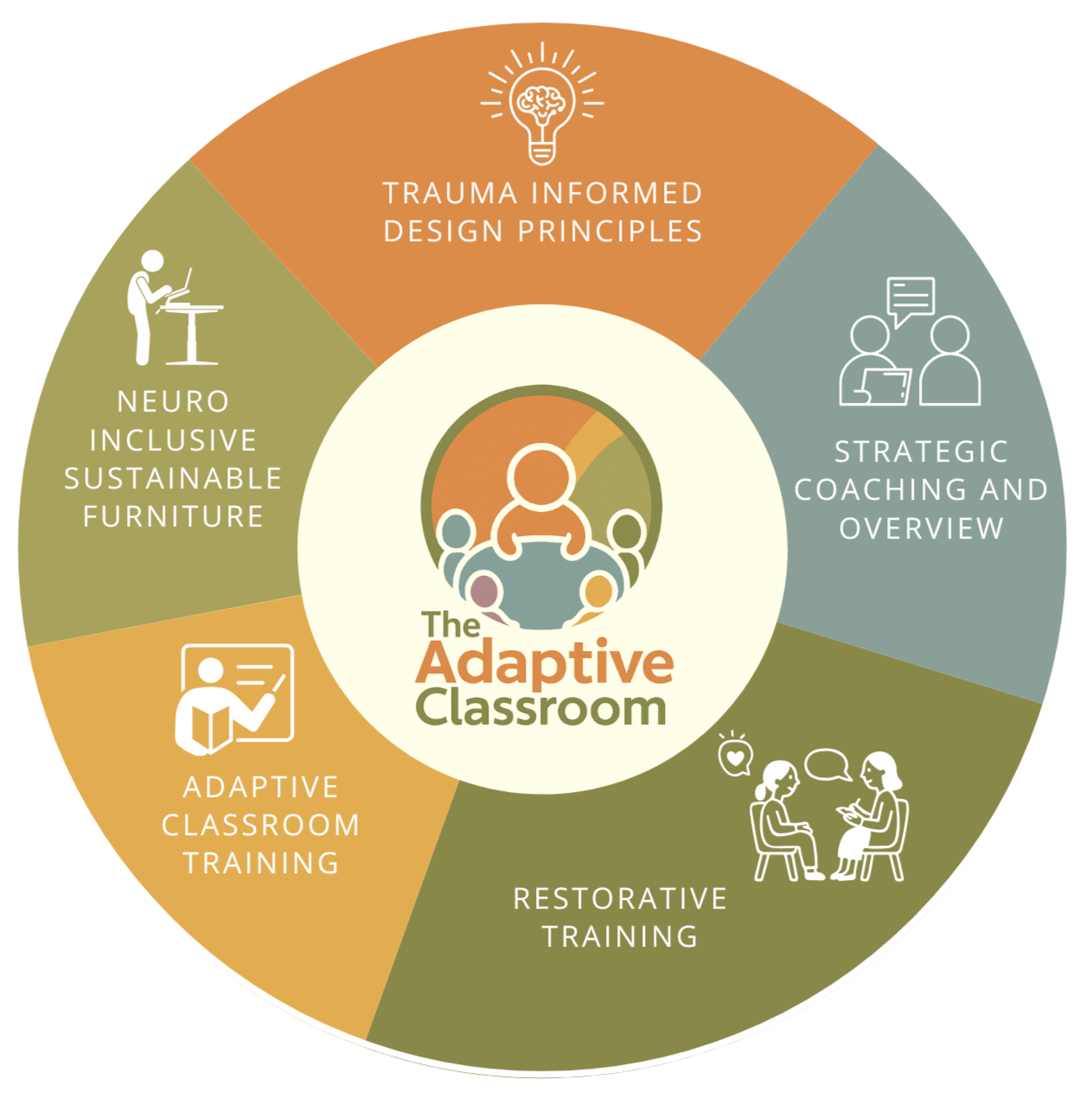
Our approach brings these five key ingredients together to form one integrated solution, a classroom where design and culture work in harmony. A ‘normal’ classroom focuses on curriculum and behaviour; an Adaptive Classroom focuses on regulation, connection and the environment children learn in. Through this pilot, we’re measuring the impact of combining these five elements and refining how they work together to support schools, teachers and children. Our aim is simple: to build a classroom model that genuinely meets the needs of today’s learners and can be scaled to transform education for the future.
the PILOT
The Adaptive Classroom pilot was installed during the October 2025 half-term at Scoill yn Jubilee Junior School on the Isle of Man. Running across three full terms until July 2026, the pilot explores how trauma-informed design, restorative practice and adaptive furniture influence behaviour, wellbeing and learning. The space includes research-based display boards, regulation tools and flexible furniture designed to support every child. Alongside this, pupils engage in weekly workbooks and design modules where they reflect on their experience of the classroom, learn the theory behind it and generate ideas for potential future interventions. Data is gathered each term to refine and evolve the model.
“What we’re doing here is a movement. a shift in how we approach education. By bringing design, culture and evidence together, we’re creating the foundation our children need for their future.”
CHLOE ROBERTS - METAMORPHIA