Our Team
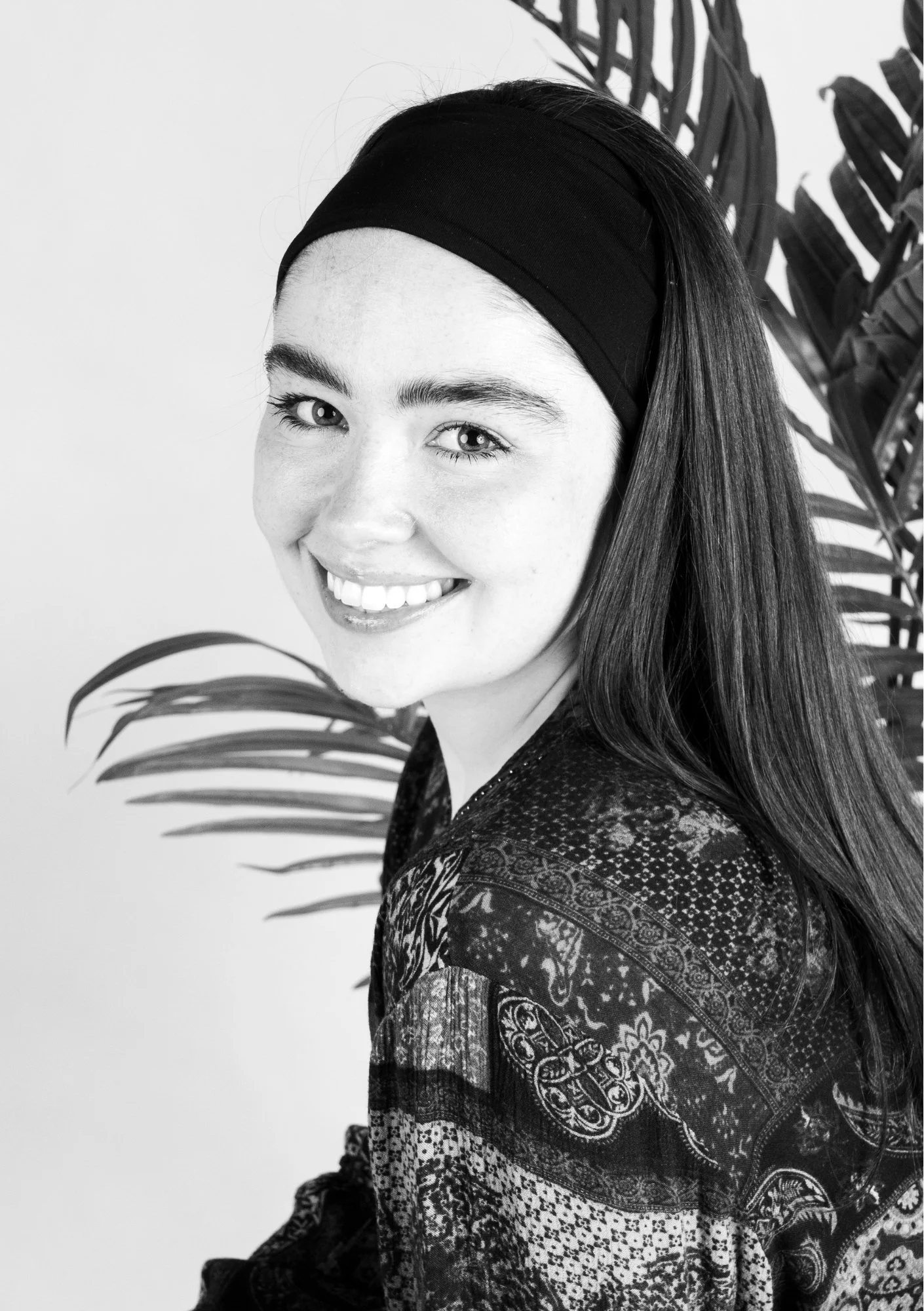
cHLOE roberts
Research Practitioner | Trauma-Informed Design & Neuroarchitecture | Empowering people with resources and research to rethink how the built environment can become a tool for healing & self regulation
Chloe specialised in neuro-architecture throughout her Bachelor’s and Master’s degrees in architecture, a path shaped by her own lived experience of how environments can either harm or heal. After graduating, she realised the industry had a long way to go in applying this research, and felt compelled to establish her own practice to share this knowledge and help grow the field.
Introduced to Paul at Werk Solutions, she was immediately drawn to his understanding of how furniture and interior design impact children’s learning. Through Paul she met Michelle, who invited her onto a three-day restorative practice training where she also met Catherine. As someone who is neurodivergent, Chloe was deeply moved by how closely their missions aligned design, culture, psychology, inclusion and children’s wellbeing.
They joined forces to create the Adaptive Classroom, where Chloe leads on research, trauma-informed and neuro-architectural design, the development of classroom displays, the evidence model and the informed-design workbooks. She also brings her expertise in community engagement through her design and research studio, Metamorphia.
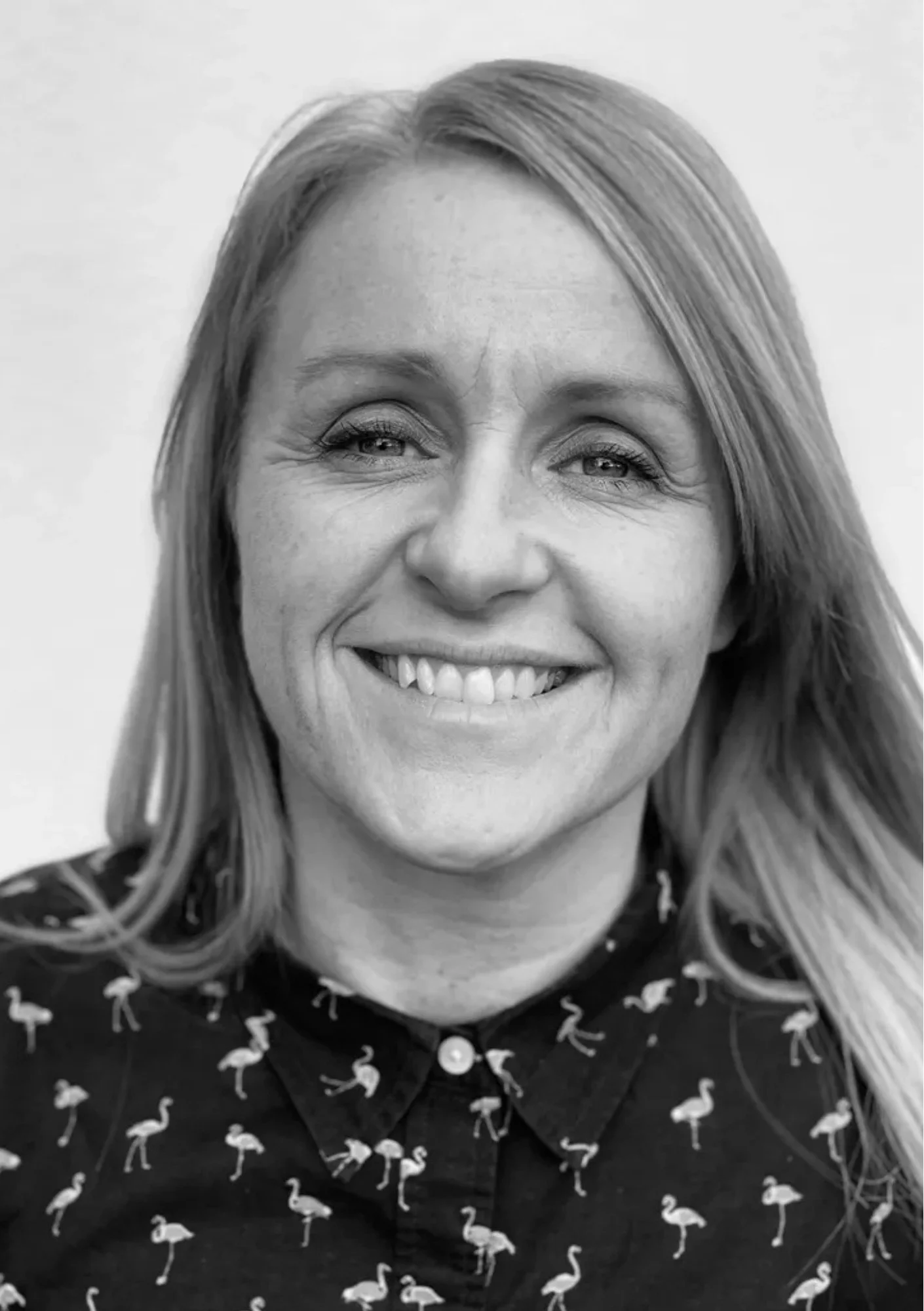
michelle morgan
Director of Restorative Practice Training & Consultancy | Mum | Supporting schools to build safe, relational, restorative cultures where children and staff can connect, regulate and thrive.
Michelle’s work began with her daughter, Poppy, whose early brain injury led her to study children’s neurodevelopment, neuroscience and trauma. This deepened her practice as a teacher in restorative and trauma-informed approaches and revealed how outdated many behaviour systems still are. Michelle became committed to helping schools move beyond punitive models toward relational, compassionate, evidence-based practice.
When Poppy started school, her support plan highlighted needs like keeping her feet grounded that Michelle believed would benefit every child. This sparked a bigger question: why aren’t classrooms designed for all children’s needs? Her drive to answer this led her to collaborate with Paul, Catherine and Chloe, bringing together design, psychology and restorative culture in one integrated model.
Encouraged by Ellanstone to enter the Isle of Man Innovation Challenge, Michelle saw the opportunity to unite their work and build something truly innovative. Her leadership in restorative practice forms the cultural foundation of the Adaptive Classroom, ensuring every environment begins with safety, connection and belonging.

paul murphy
Director of Werk Solutions | Furniture Dealer | Interior Designer Helping schools transform learning through adaptive, ergonomic furniture that supports regulation, comfort and flexibility.
Paul has worked in the furniture industry for over 20 years, leading innovation in commercial office environments before moving into the education sector. When he began working with schools a decade ago, he was struck by how little classroom furniture had changed since the Victorian era. Many schools were still ordering outdated products simply because they didn’t know alternatives existed.
Determined to rethink what a modern learning environment could be, Paul began collaborating with leading manufacturers to introduce adaptive, ergonomic solutions designed around how children actually learn. His partnership with Michelle, Catherine and Chloe brought an entirely new dimension to this work showing that it’s not just the furniture that matters, but the whole space and the culture built around it.
Paul’s expertise forms the design backbone of the Adaptive Classroom, ensuring that every physical element supports regulation, comfort and belonging.
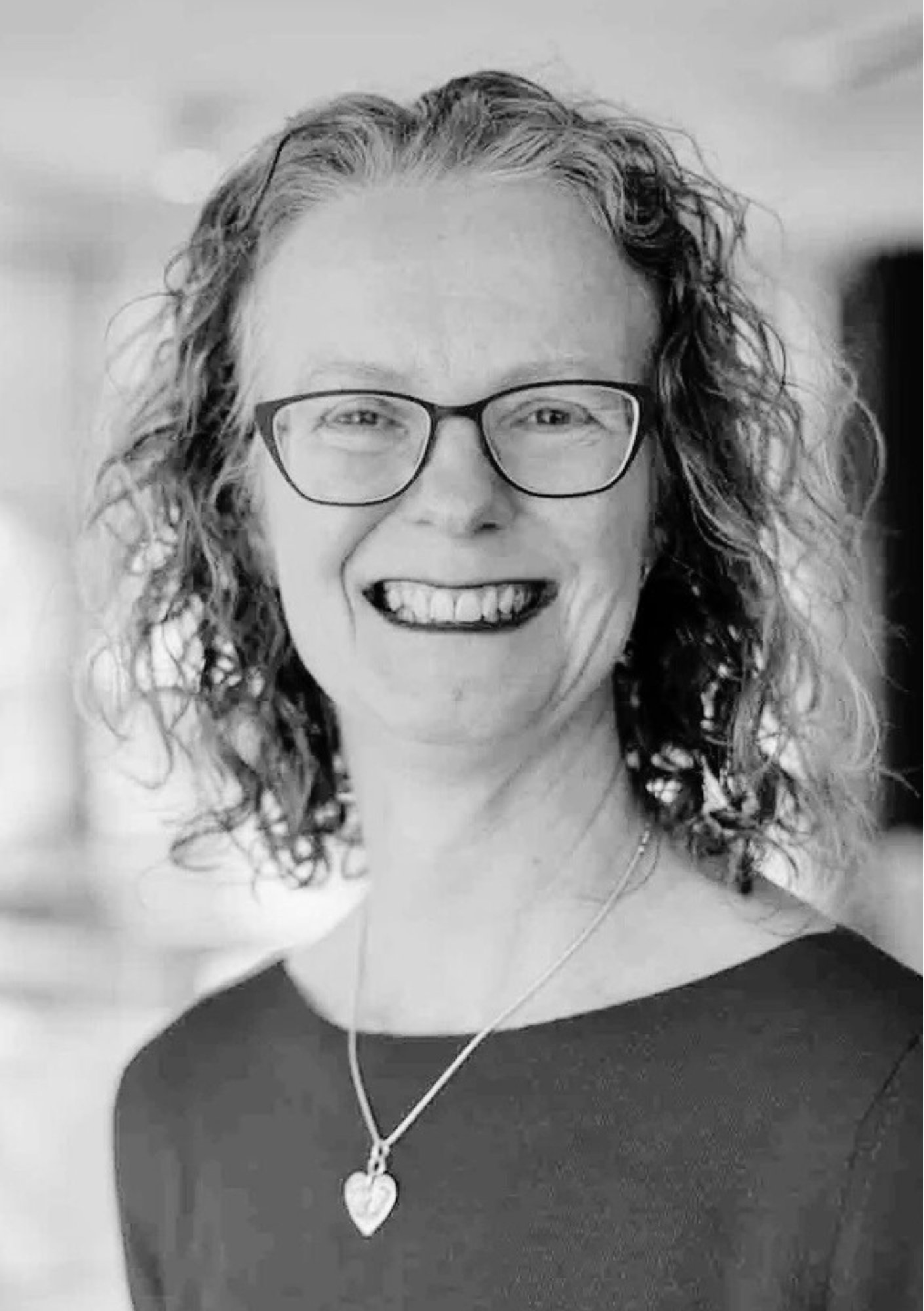
catherine barber-brown
Mum | Business Strategist | Guiding schools and families toward inclusive, meaningful change through strategic insight and lived experience.
Catherine’s involvement began when her daughter moved into senior school and she saw firsthand that the environment wasn’t meeting her needs or the needs of many other children. When her daughter eventually had to leave school, Catherine became determined to work with people who genuinely wanted to create better systems and spaces for young people.
Already coaching in this area and long connected with Michelle, Catherine joined a restorative practice course and was struck by the furniture and design innovations she saw in Paul’s showroom. The impact it had on her daughter and on Chloe made the connection clear: trauma-informed design, adaptive furniture and restorative culture all belonged together.
Catherine brings strategic insight, lived experience and cultural understanding to the Adaptive Classroom team, ensuring the model supports families, reflects real needs and helps build environments where every child can belong and succeed.